Landscape Design & Build
A collection of chapters on a career spanning 40 years of award-winning landscape design and build
-
Ann visits the Chelsea Physic garden
It’s not often you find a garden that was founded in 1673 as The Apothecaries’ Garden
Ann was on a trip to Europe recently and dropped in on the beautiful Chelsea Physic Garden on the side of the river Thames in London.
The garden’s purpose was to train apprentices in identifying plants. The gardens’ location close to the river created a warmer microclimate, significantly increasing the many non-native plants that could be grown.

In 1700 the garden had started an international botanical garden seed exchange system, which continues to this day.
The gardens cover some four acres and are leased on what is known as a peppercorn rent in perpetuity.
They are without doubt one of London’s secret ‘gems’ and thoroughly worth a visit.

The garden’s mission ” Linking people with plants and nature”
The interview starts with Ann talking for around 8 minutes to a group of school children on a field trip, the gardens have over 100 such visits a year. Ann then talks to Michael a very knowledgeable and extremely helpful member of staff. We kept all the typical inner city sounds on the recording – the enthusiasm of the children is very heartening.
Integrated pest management is the preferred method of bug control…
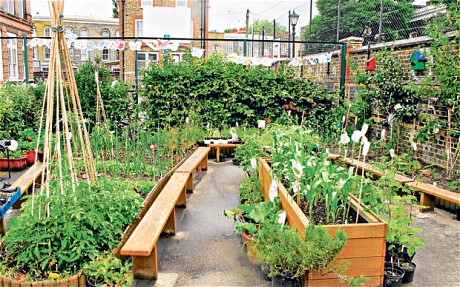
They have a project called “Shelf Life’ it is just an incredible way to show children where their food comes from
You can also listen to Ann’s interview on iTunes at Growing Trends
We would love to hear your comments and suggestions for a show… just send us an email to Growing Trends
Podcast: Play in new window | Download
Subscribe: RSS
Views: 98
-
Growing Trends : How we look at Food Tourism today
Ann and I interviewed John Stanley of John Stanley Associates recently about his new book, he jointly wrote with his wife Linda,
Food Tourism – A Practical Marketing Guide.
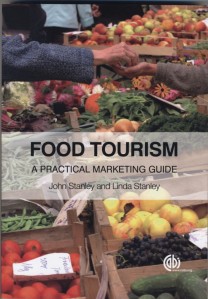
The fastest growth in tourism today is the culinary sector.
Listen to John as he explains the overall direction of food tourism, including how he sees future development.
A few snip bits:
Do you grow soil?
25% of the food we buy comes from 2% of the farmland around our cities, which is being swallowed up by development.
Farmers used to make 38 cents on every dollar now its down to an average of just 6 cents
Eating local seasonal food saves you around 25%, and is actually healthier for you!
You can hear this really informative interview here (click below) or on iTunes at Growing Trends
Podcast: Play in new window | Download
Subscribe: RSS
Views: 54
-
Heaven is a Garden – Jan Johnsen
A few years ago I read a paper about how grasses ‘moved’ to music, then I read about the effects of harmonious sounds on plant growth.

Why do I mention this?
Well a few weeks ago we were talking about Tesla and his discoveries, which led us to talking about vibrations, sound waves, force fields etc., then a strange thing happened.
Ann and I interviewed a wonderful lady landscape architect Jan Johnsen, about her new book “Heaven is a Garden” we talked a little about how at a very young age she discovered during a science fair competition – which against all the odds she won – the effects early morning birds singing have on plants. The sound waves, which are similar to a violin stimulate a plant to open its stomata taking in carbon-dioxide to help it grow quicker.

Jan has written a book called Heaven is a Garden, it’s a really fascinating and informative read. Jan has ‘connected’ the dots so as to speak, between the natural world and our emotions. How the Four Winds are important when laying out a space,the careful use of curves, and my favorite Golden Rectangles and the Divine Proportion. – Phi is the mathematical proportion ( 1 : 1.618) we see in every natural form. Using this proportion ensures a sense of harmony in any outdoor space that contains it. I’ve always tried to use these proportions in my designs.
Jan then talks about Trees – natures rechargers as she puts it… The Celts shunnache, the Hindu tree devas, and Greek dryads are really references to light energy? The Chinese call this energy chi…the Japanese consider the health giving properties of trees the basis of a medical therapy called ‘ Forest bathing’, it helps reduce stress.
Jan then discusses the magnetic attraction in a Zen garden – rocks in these gardens reflect a deep understanding of the geomagnetic properties of stone and its impact on a place.
Finally the benefits of color in a garden.
 You can listen to our truly fascinating interview with Jan Johnsen or if you prefer on iTunes at Growing Trends or just click on the arrow below to start the interview
We would love to hear from you if you like this interview
Ann and Chris,
Podcast: Play in new window | Download
Subscribe: RSS
Views: 146
-
The Growing Potential for Algae Part Two
When we started this latest series of interviews with Bill Sosinsky and Joe Ravet we soon realised how important Algae is to life on our planet.

We never realised how interesting or how much interest these interviews would generate.

Here’s the second part, it’s fascinating, informative and what the future holds for us all.
Have a listen then drop us a line with your thoughts we would love to hear from you.
You can hear our latest interview here – just click on the bar below or on iTunes at Growing Trends
We would love to hear from you with ideas and suggestions, just drop us a line at info@growtrends.com
Podcast: Play in new window | Download
Subscribe: RSS
Views: 121
-
Growing Potential for Algae – Part one
Our interview this week is with Bill Sosinsky and Joe Ravet, it’s all about the amazing properties of algae and the work being done today that could transform many areas of our lives. This fascinating interview is in two parts, with the second part coming next week.
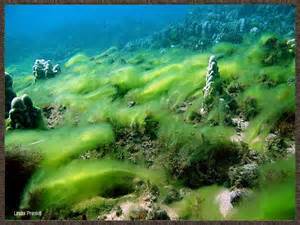
Algae has some fascinating uses :-
As an Energy Source – a 737 plane flew from Houston to Chicago on fuel derived from algae, way back in 2011

As a Fertilizer – from as long ago as the 16th century, seaweed has been used a fertilizer.
As a source of Nutrition – China has been consuming Algae for over 2000 years, they harvest over 70 species as does Japan, Ireland, Chile, Wales,Korea, California, New Zealand, Hawaii, Scotland, Greenland and Iceland to name a few. It was an ingredient in Aztec foods.
Oils obtained from some algae have high levels of unsaturated fatty acids,others essential omega 3 fatty acids.
As a Pollution control – treating sewage with algae, reducing the use of toxic chemicals that would be used. They can absorb fertilizer run off from fields. Aquariums can be filtered by algae
As a Pigment – alternative to chemical dyes
As a Medicine – helping fight malnutrition, immune health, reducing cholesterol

Amazingly there could be more than 72000 algae species worldwide.
You can hear our interview with Bill Sosinsky and Joe Ravet on iTunes at Growing Trends or here on our podcast just click below to hear
We would love to hear from you,
Podcast: Play in new window | Download
Subscribe: RSS
Views: 64
-
Did you know you can ‘Eat your Roses?’
A Gardening lover’s recipe book….
It’s that time of year again, as we move from Spring into Summer all sorts of tasty treats abound in our gardens, our interview today is with a lady who has taken this to a new dimension.

Ann & I caught up with Denise Shreiber, recently to interview her about her fascinating book, all about edible flowers.
Being a transplanted ‘Brit’ it was interesting to hear that her book was born after a trip to England where she sampled ‘Rose Petal Ice Cream’,
Here I was, under the illusion that everyone visited our wonderful gardens and stately homes for the good old English “cuppa” with perhaps a scone, butter, jam and clotted cream !
You can listen to Denise here..
It’s that time of year again, as we move from Spring into Summer all sorts of tasty treats abound in our gardens, our interview today is with a lady who has taken this to a new dimension. Ann & I … Continue reading
Podcast: Play in new window | Download
Subscribe: RSS
Views: 11
-
Suffering from Allergies?
It’s allergy awareness week in England . A subject that has become more and more important to my family over the past few years. My grandson Callum was born with severe allergies , which appear at the slightest opportunity, so … Continue reading
Podcast: Play in new window | Download
Subscribe: RSS
Views: 74
You May Also Like
Suffering from Allergies?
-
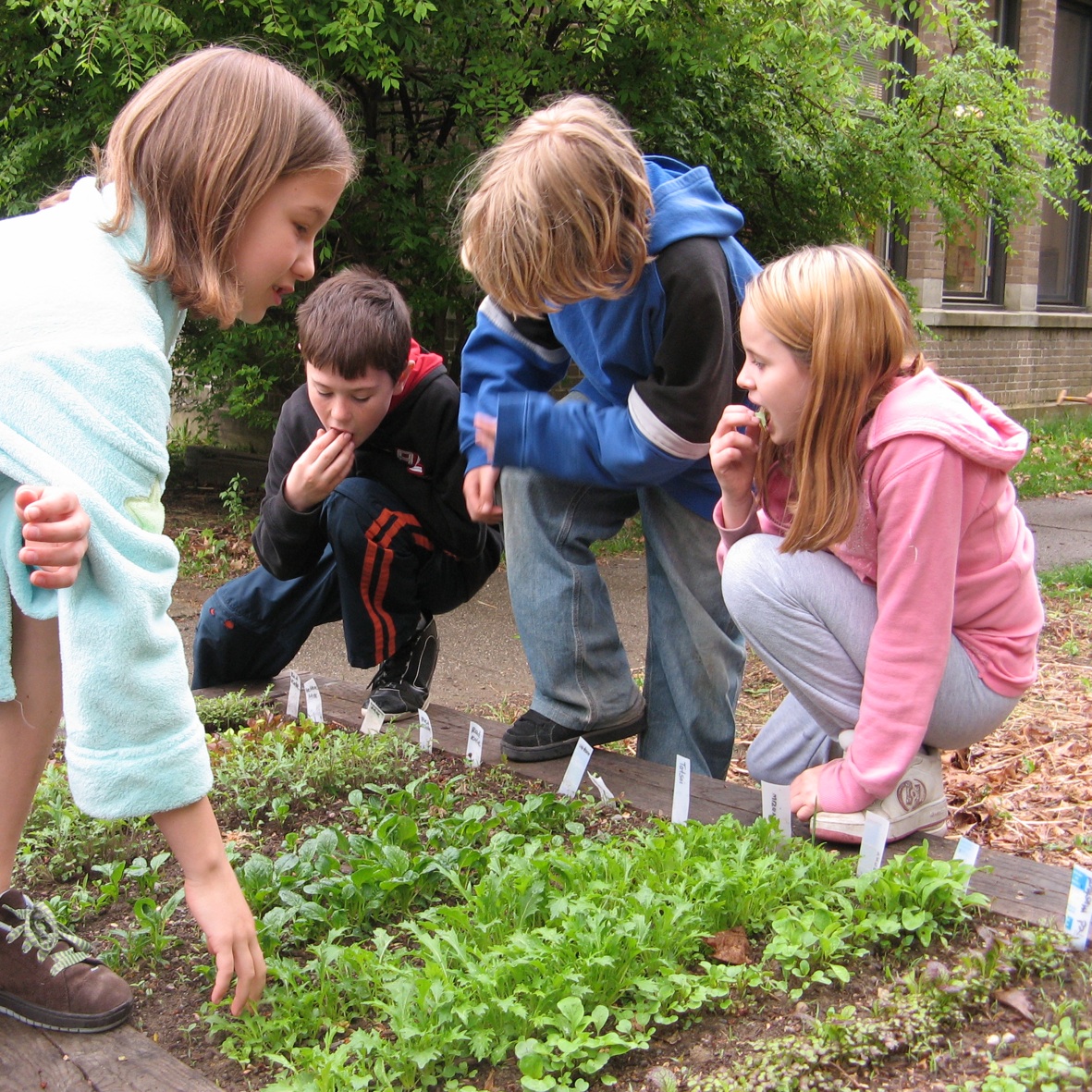
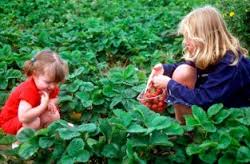
School Garden Projects have many positives, you can hear many of them here
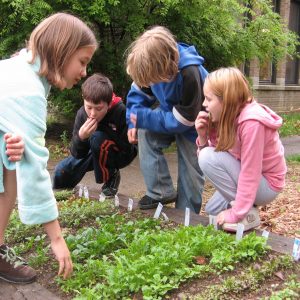
Is this really salad ? it tastes so good like this !
Ann & I were fortunate to talk to three amazing ladies from Tennessee a little while ago. They wanted to start a school garden at their school, here is their story, the school garden is now in its third year.
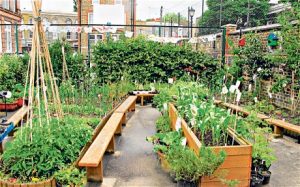
Some of the main points we heard were:-
It’s essential to have teacher as well as parent support.
Take time to plan carefully
Initially growing from seed is harder , due to the school calendar.
Choose plants that will fit into this schedule.
The children want to take ownership of their plants !
Educating children in the different choices of produce increases the varieties they will eat.
Children really take pride in taking home to their family the produce they have grown.
In a blind radish test, the children could tell which were home grown as opposed to store bought and much preferred home grown !
Ann & I would love to hear from you. info@grotrends.com
If you would like us to put you in touch with these wonderful ladies,or if you would like more information on starting your own school garden just send us an email to Growing Trends and we will be in touch. If you would like us to interview you, send us a picture of your garden along with contact details, we will be adding a section to our web site www.grotrends.com specially on School garden projects.
Thank you Penny, Peggy and Emily, this was a fascinating interview.
Ann & Chris
Podcast: Play in new window | Download
Subscribe: RSS
Views: 58
-
Eating fresh local food
Here in the USA its Spring, time to think about fresh vegetables, fruits and herbs. It’s even more important this year with the continuing drought in California where a lot of the countries fresh produce is grown as they now have a mandatory 25% reduction in water use.
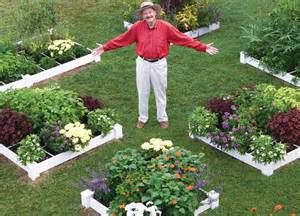
If you are growing at home one of the most effective methods that has passed the passage of time is Mel Bartholomew’s – Square Foot Gardening method – Ann and I will be interviewing Mel very soon.
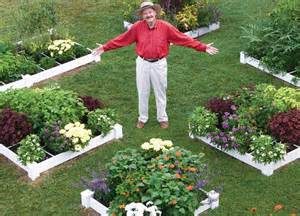
Before we do, Ann and I were privileged to interview Nellie, she is a young mother who is passionate about eating fresh produce on a low budget.
Our interview is inspiring for those who want to find the best way to eat fresh local food. Nellie explains how to balance your budget and yet find good healthy fresh food.
This is one very astute young lady, who is passionate about food – her mum tells me,she is also a great cook..
Podcast: Play in new window | Download
Subscribe: RSS
Views: 55
-
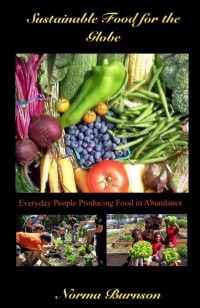
Sustainable food for the Globe an interview with Norma Burnson
Ann and Chris interview this remarkable lady, Norma is on a mission.
Norma’s mission is “Sustainable Food for the Globe, One Square Foot at a Time,” and that is also the title of Norma Burnson’s book, available on Amazon.com. At Burnson & Associates, we are passing along the baton of youth leadership development and involving our U.S. Veterans in our projects and workforce.
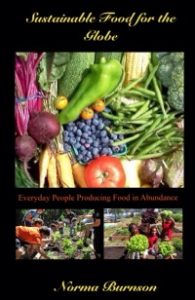
Be inspired to help Norma, but first listen to our interview.
Podcast: Play in new window | Download
Subscribe: RSS
Views: 226
-
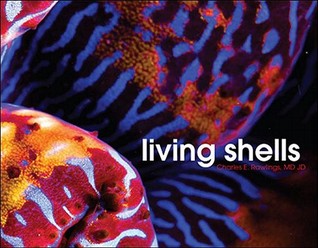
Interview with Dr Charles Rawlings author of Living Shells
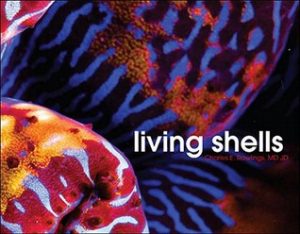
Ann and I were very fortunate to interview Dr Charles Rawlings MD , he has an interesting passion, studying & photographing ‘living shells’, a scuba diver for the past thirty or so years Dr Rawlings has been observing, studying & photographing ‘living shells’ all over the world.

His knowledge of these creatures, their habits and habitats is extraordinary.
Recently he produced a beautiful coffee table book of pictures of these amazing creatures.
We caught up with Dr Rawlings as he was planning yet another trip.
You can hear our interview at on our iTunes Podcast
Or just scroll down a little further
We hope you enjoy the interview, do send us any comments you may have.
Chris & Ann,
Podcast: Play in new window | Download
Subscribe: RSS
Views: 213
-
Country: Growing Trends -Small is beautiful in modern energy production
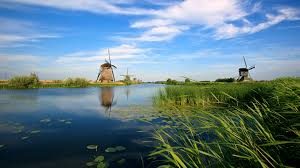
Ann & Chris continue their talk with Rich Sapienza and Bill Sosinsky, starting with windmills and wind turbines.
Rich is a believer in ‘Small is beautiful’ – the idea of making incremental savings of say 25% with smaller units being preferable to building huge systems that may or may not work.
Most of the savings will come as we discover more efficient energy storage and they have been exploring some interesting options.
We then move on to hydrogen power, thorium, Tesla and so much more. It’s fascinating to listen to the bright picture they paint for future generations..
Podcast: Play in new window | Download
Subscribe: RSS
Views: 72